Article: Navratri Saree Colours 2026: Meaning, Rituals and a Day by Day Guide

Navratri Saree Colours 2026: Meaning, Rituals and a Day by Day Guide
Navratri saree colours are one of the first things people search for every October, and for good reason. Getting the colour right for each of the nine days has become part of how millions of women plan their festival wardrobe, whether they are heading to a pandal, a garba floor, or simply a family puja at home. But Navratri is more than a colour chart. It is nine nights of devotion, dance, fasting, and celebration that stretch across every region of India in a slightly different form.
This guide walks through what Navratri actually means, the story behind it, the exact colour and date for each of the nine days in 2026, and where the wear a colour a day custom really came from, which is more surprising than most people expect. Along the way, we will also look at why handloom and hand block printed sarees, the kind woven and dyed by artisans rather than machines, fit this festival so naturally.

What Is Navratri? The Meaning Behind Nine Nights
Navratri comes from two Sanskrit words, nava meaning nine and ratri meaning night, and it refers to a nine night festival dedicated to Goddess Durga in her nine forms, together known as the Navadurga. There are technically four Navratris in the Hindu calendar each year, but the one most widely celebrated across India, the one this guide focuses on, is Sharad Navratri, which falls in autumn.
Sharad Navratri 2026 runs from Sunday, 11 October to Monday, 19 October, with Vijayadashami, also called Dussehra, following on Tuesday, 20 October. Each of the nine nights is devoted to a different form of the goddess, and each day now carries its own colour, which is where most festival shopping searches begin.
The Story Behind Navratri: Why We Celebrate
Navratri marks the victory of good over evil, specifically the battle in which Goddess Durga defeated the buffalo demon Mahishasura after the other gods could not. On the tenth day, Dussehra, this theme repeats in a second story: Lord Rama's victory over Ravana, which is why effigies of Ravana are burned in North India on the same evening Durga idols are immersed in Bengal.
That double meaning is part of why Navratri looks so different depending on where you are. In Gujarat and much of Maharashtra, the nine nights are built around Garba and Dandiya Raas, energetic circular dances performed in the evening. In West Bengal, the festival centres on Durga Puja, with elaborate pandals, idol worship, and the Dhunuchi Nritya dance performed with smoking incense pots. In North India, the same nine days often run alongside Ramlila performances retelling the Ramayana. The underlying meaning, the triumph of good over darkness, stays constant even as the outward celebration changes shape from state to state.

Navratri 2026 Dates: When Each Day Falls
Because the Hindu calendar is lunar, Navratri shifts against the Gregorian calendar every year, and the colour sequence itself depends on which weekday the festival opens on. In 2026, Sharad Navratri begins on a Sunday, which is why the colour order below opens with orange rather than any other shade.
| Day | Date (2026) | Weekday |
|---|---|---|
| 1 | 11 October | Sunday |
| 2 | 12 October | Monday |
| 3 | 13 October | Tuesday |
| 4 | 14 October | Wednesday |
| 5 | 15 October | Thursday |
| 6 | 16 October | Friday |
| 7 | 17 October | Saturday |
| 8 | 18 October | Sunday |
| 9 | 19 October | Monday |
Vijayadashami follows on Tuesday, 20 October 2026.
Navratri Saree Colours 2026: The Complete Day by Day Guide
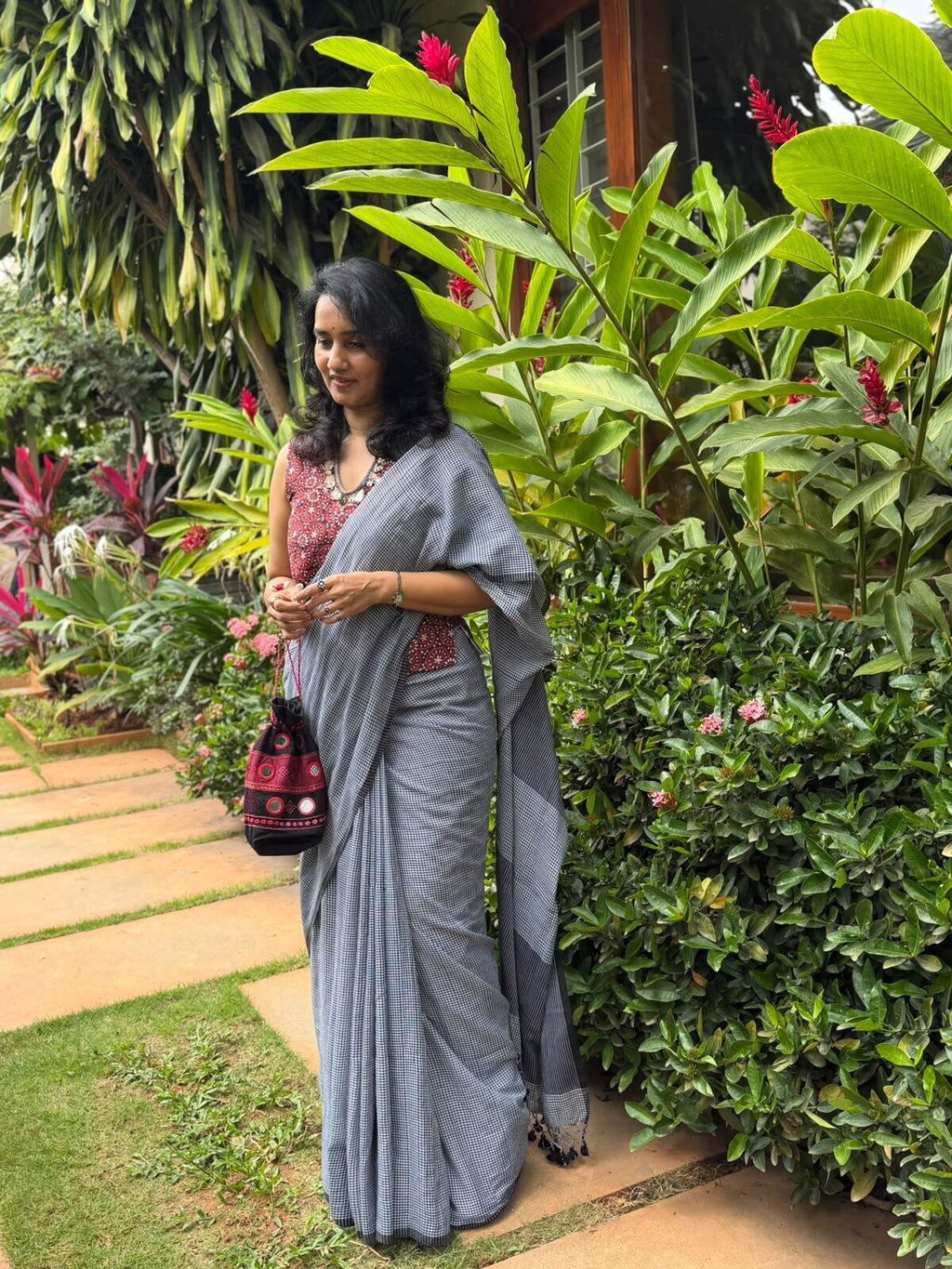
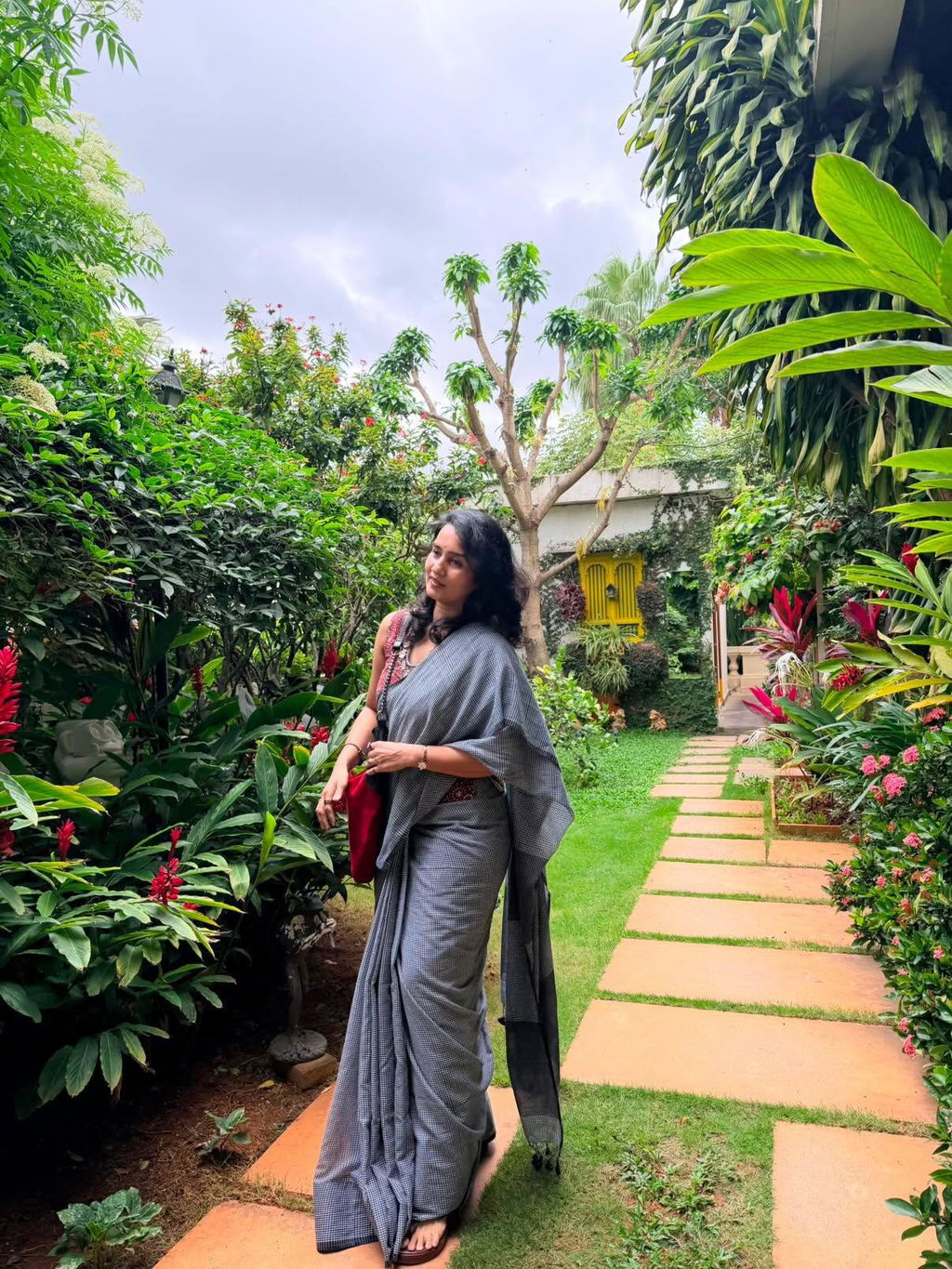
Navratri saree colours for 2026 run in this order: orange, white, red, royal blue, yellow, green, grey, purple, and peacock green, each one tied to a specific form of Durga worshipped that day. Because Day 1 falls on a Sunday this year, the sequence opens with orange rather than the red or yellow some years begin with, since the starting colour always follows the weekday Navratri begins on.
| Day | Date | Colour | Goddess worshipped |
|---|---|---|---|
| 1 | 11 Oct | Orange | Shailputri |
| 2 | 12 Oct | White | Brahmacharini |
| 3 | 13 Oct | Red | Chandraghanta |
| 4 | 14 Oct | Royal Blue | Kushmanda |
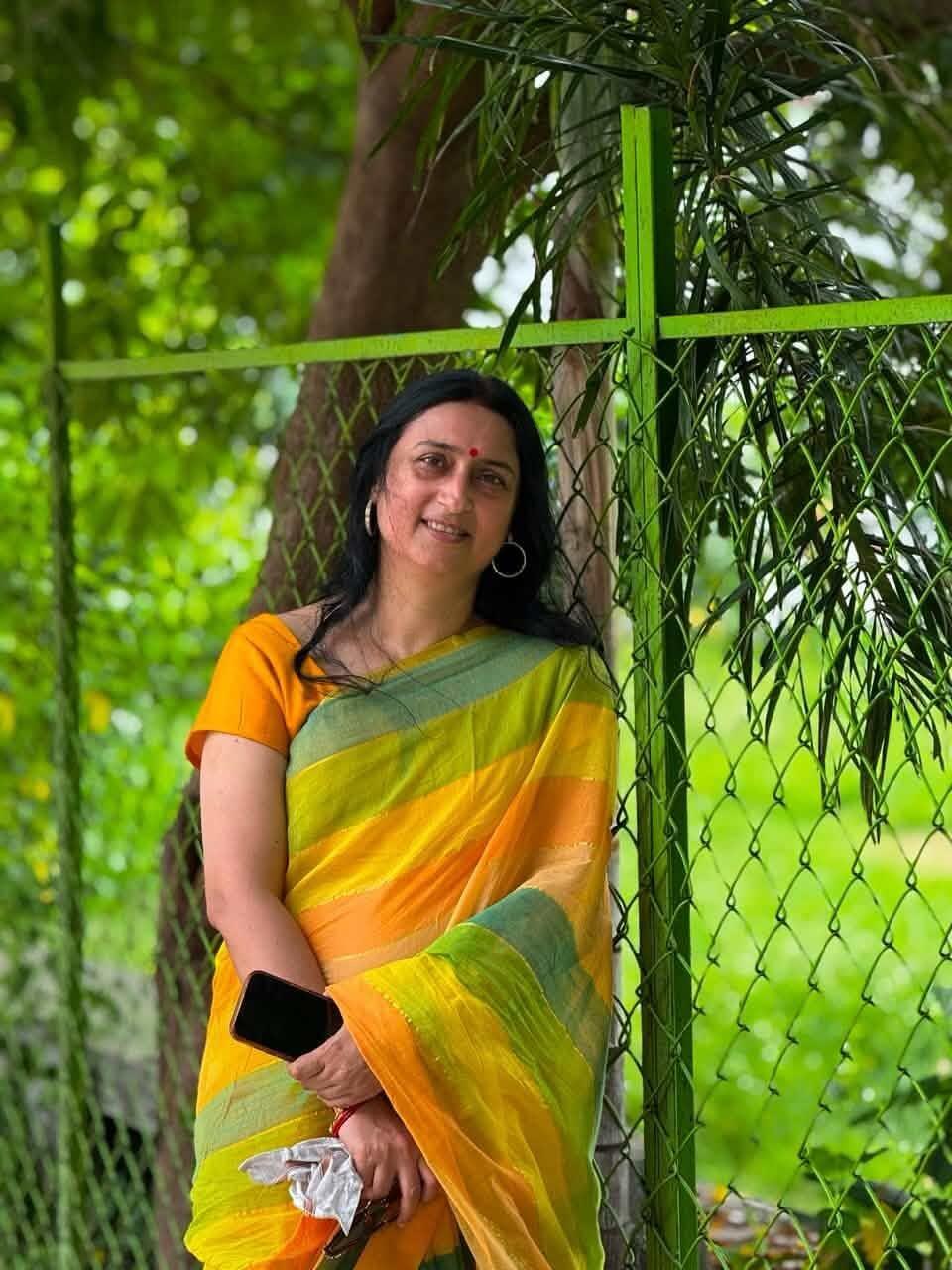
| 5 | 15 Oct | Yellow | Skandamata |
| 6 | 16 Oct | Green | Katyayani |
| 7 | 17 Oct | Grey | Kalaratri |
| 8 | 18 Oct | Purple | Mahagauri |
| 9 | 19 Oct | Peacock Green | Siddhidatri |

A few of these deserve a quick explanation, since the meaning behind each shade is what most people are actually curious about. Orange on Day 1 stands for energy and new beginnings, fitting for the goddess Shailputri, who represents the start of the divine journey. White on Day 2 reflects Brahmacharini's purity and simplicity. Red on Day 3 is linked to Chandraghanta's courage and is traditionally considered the boldest, most auspicious colour of the nine. Royal blue on Day 4 carries a sense of calm strength, tied to Kushmanda, believed to have created the universe with her smile. Yellow on Day 5 brings brightness and joy for Skandamata, the mother of Kartikeya. Green on Day 6 signals growth and nature for Katyayani, the fierce warrior form. Grey on Day 7, sometimes read as a colour of transformation, belongs to Kalaratri, the most intense of the nine forms. Purple on Day 8 stands for ambition and grace under Mahagauri. Peacock green closes the cycle on Day 9, associated with Siddhidatri, the goddess who grants spiritual accomplishment.
Why We Wear a Different Colour Every Day
The nine colour Navratri custom feels ancient, but it is a fairly recent addition to the festival, not something written into old scripture. According to an account published by The Quint, the tradition traces back to 2003, when the Marathi newspaper Maharashtra Times introduced a colour of the day feature to boost readership among women in Mumbai. Each colour was matched to a goddess after the fact to give the idea a religious frame, and readers were encouraged to wear it and share photos. The idea caught on so completely that it is now treated as festival custom across much of India.
That origin story does not make the colours any less meaningful today. If anything, it says something true about Navratri itself, a festival that has always absorbed new customs, regional variations, and modern touches while keeping its core devotion intact. Whether you follow the colour chart strictly or simply pick shades that feel festive to you, the spirit of the nine nights stays the same.

How to Celebrate Navratri at Home
Celebrating Navratri at home does not require a temple visit or a big gathering. Most households build their nine days around a few simple, repeatable rituals that anyone can adapt to their own space and schedule.
- Kalash Sthapana on Day 1. Many families begin Navratri by installing a small clay pot, or kalash, filled with water and topped with mango leaves and a coconut, as a symbol inviting the goddess into the home.
- A small altar or diya corner. A cleared shelf or table with a photo or idol of Durga, fresh flowers, and a lit diya each evening is enough to mark the festival without elaborate arrangements.
- Fasting, in whatever form suits you. Some people fast completely for all nine days, others only on the first and last, and many simply avoid onion, garlic, and grains rather than skipping meals altogether. There is no single correct version of a Navratri fast.
- Kanya Pujan on Ashtami or Navami. On the eighth or ninth day, many families invite young girls, seen as living representations of the goddess, to their home for a small meal and gifts.
- Evening aarti. A short prayer with a lit lamp, sung or spoken, is the one ritual almost every household keeps regardless of how elaborate the rest of their celebration is.
-
Dressing for the day's colour. Even a small accent, a dupatta, a bindi, or a single saree pulled out for the evening, is enough to join in the colour tradition without a full new wardrobe.

Traditional Navratri Rituals Across India
Navratri rituals differ noticeably by region, and that variety is part of what makes the festival feel so alive across the country. In Gujarat, evenings are built around Garba, performed in circular formations around a lit lamp or an image of the goddess, often followed by Dandiya Raas with decorated sticks. In West Bengal, Durga Puja dominates the same nine days, with elaborately sculpted idols displayed in community pandals and immersed in water on the final day. In large parts of North India, Ramlila performances retell the story of Rama through the nine nights, building up to the burning of Ravana's effigy on Dussehra. In the South, particularly Tamil Nadu, Karnataka, and Andhra Pradesh, households arrange Golu, tiered displays of dolls and figurines, and invite friends and neighbours over to view them each evening. None of these traditions is more authentic than another. They are simply the same nine nights, shaped by centuries of local practice.
Why Handcrafted Sarees Belong at the Centre of Navratri
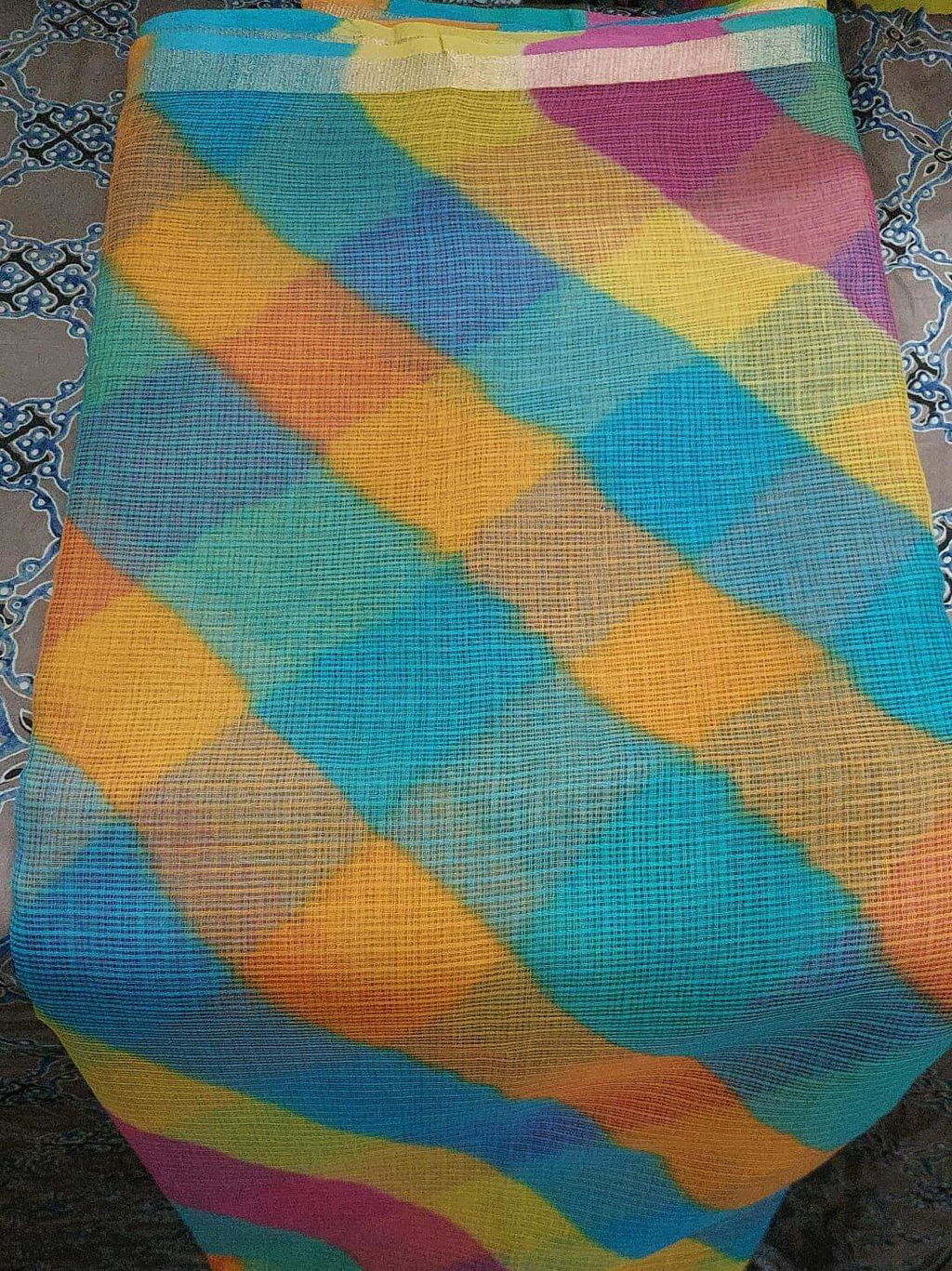
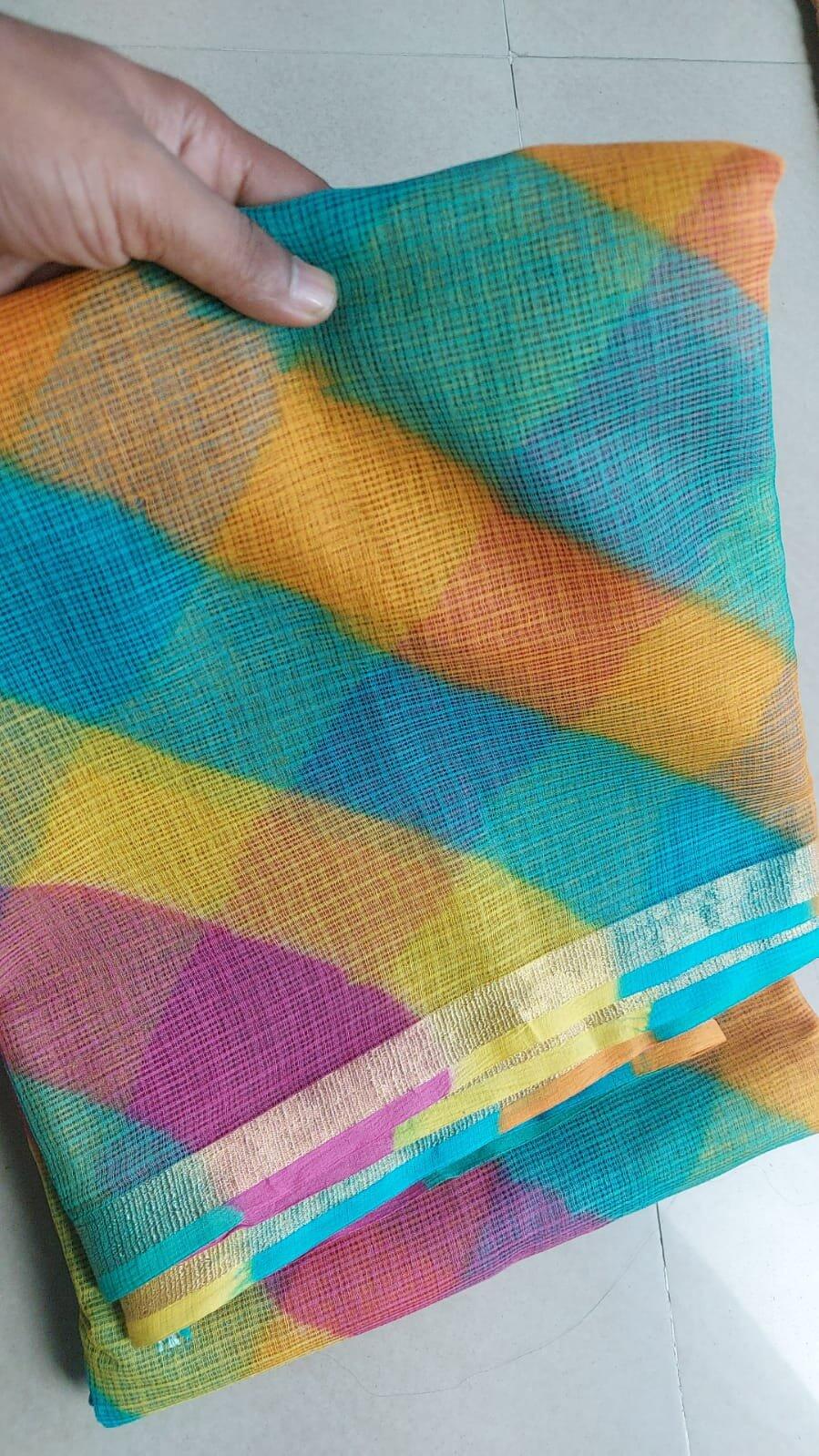
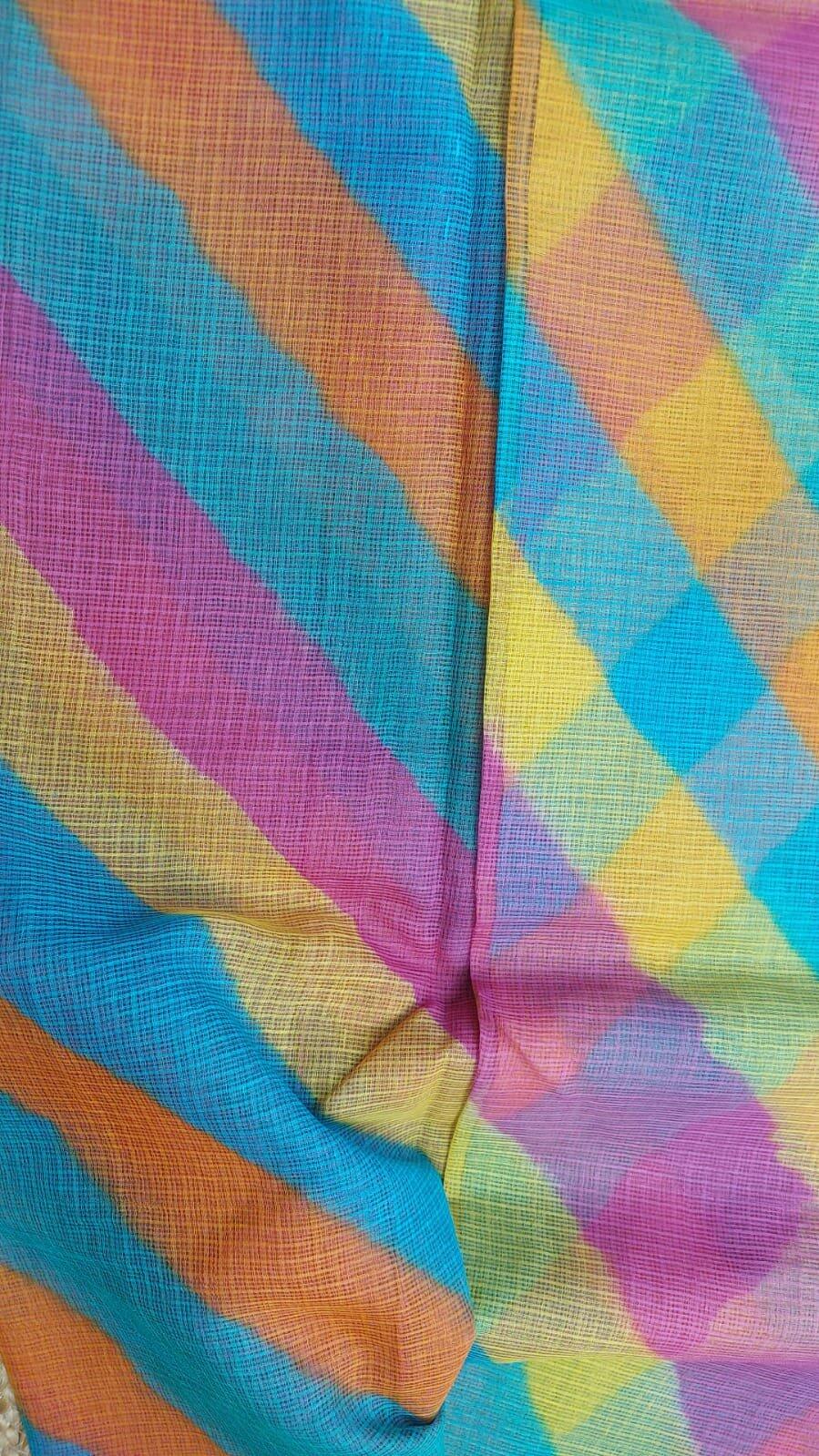
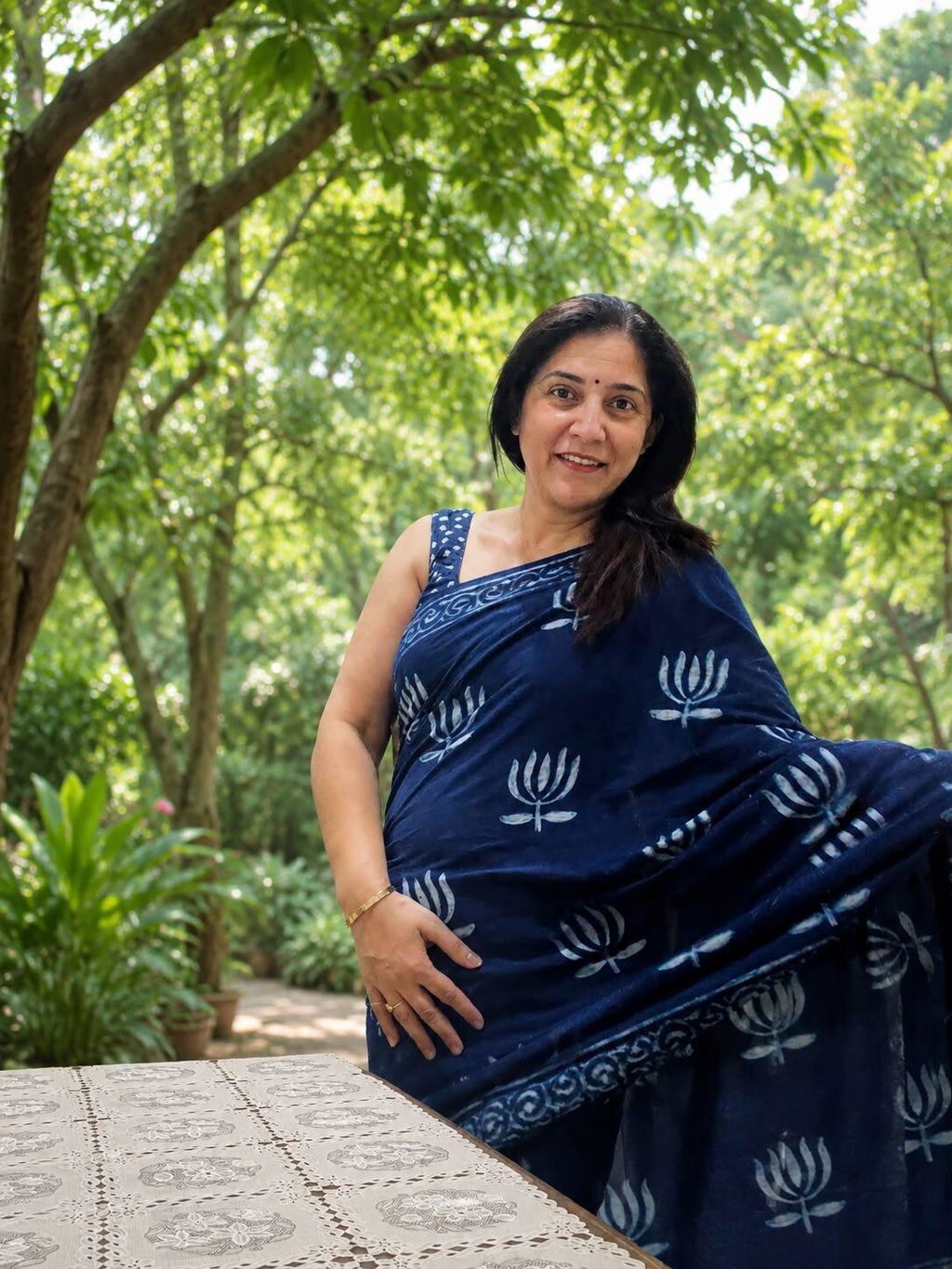
Handcrafted sarees suit Navratri because the festival itself is built around colour, tradition, and things made by hand, whether that is a clay idol, a hand painted Durga face, or a naturally dyed length of cotton. A saree dyed with indigo or madder root carries the same unhurried, artisan made quality as the rituals surrounding it, which is why hand block printed and handloom pieces feel more at home during Navratri than something mass produced and machine printed.
Sundarii's Ajrakh sarees already lean into deep reds, blues, and blacks that map naturally onto several days of the colour chart, particularly the red of Day 3 and the royal blue of Day 4. For anyone drawn to a slightly different kind of storytelling craft, the Kalamkari saree collection offers hand painted mythological motifs that fit the devotional spirit of the festival especially well, and the Shakti Rang collection takes this even further with sarees hand painted directly around Durga's own forms, making it the most literal expression of this festival's spirit in the entire catalogue.
Choosing the Right Fabric for Nine Nights of Garba
For anyone dancing through all nine nights of Garba, fabric matters as much as colour. Mul cotton and other handloom cottons breathe far better than heavier silk or georgette, which makes them a genuinely practical choice for hours of movement in warm October evenings, not just an aesthetic one. A lighter cotton saree also drapes and moves more easily during fast footwork, which is worth considering if you are choosing between fabrics for the more active nights of the festival, such as Day 3 or Day 6.
Silk and richer weaves still have their place, especially for Ashtami or Navami evenings that lean more toward puja and family gatherings than dancing. The simplest approach is to think of Navratri as two different kinds of evenings, dance nights and devotional nights, and let the fabric choice follow which one you are dressing for.
Shakti Rang: Sundarii's Durga Special Saree Collection
Sundarii's Shakti Rang collection is built specifically around this festival. Every saree in it is hand painted on cotton, with each piece named directly after one of Durga's forms or attributes, Devi Hasta, Kalaratri Drishti, Gauri Sarovar, and Charan Chandrika among them, so the connection to the nine nights isn't a seasonal label added on top of existing stock, it's the entire premise of the collection.
Because every piece is hand painted rather than printed, no two sarees in Shakti Rang are quite identical, which fits the spirit of a festival built around nine distinct forms of the same goddess rather than a single repeated image. Pieces in the collection are priced roughly between ₹5,940 and ₹6,250, and pair naturally with the puja focused, devotional evenings of Navratri discussed earlier in this guide, alongside the more dance oriented Ajrakh and handloom cotton pieces for Garba nights.
Shop the Shakti Rang collection to see the full range of hand painted Durga special sarees for Navratri 2026.

Frequently Asked Questions
What is the meaning of Navratri?
Navratri means nine nights in Sanskrit and refers to a Hindu festival honouring nine forms of Goddess Durga over nine consecutive nights. The most widely celebrated version, Sharad Navratri, marks Durga's victory over the demon Mahishasura and falls in autumn, usually in September or October.
What are the Navratri saree colours for 2026?
The 2026 colour order is orange, white, red, royal blue, yellow, green, grey, purple, and peacock green, running from 11 October to 19 October. The sequence starts with orange this year because Day 1 falls on a Sunday, and the opening colour always follows the weekday Navratri begins on.
How can I celebrate Navratri at home without a big gathering?
A simple home celebration can include setting up a small kalash or altar on Day 1, lighting a diya each evening for a short aarti, choosing a form of fasting that suits you, and inviting young girls for Kanya Pujan on Ashtami or Navami. None of these require elaborate arrangements or a large gathering.
Why do people wear a different colour each day of Navratri?
The custom began in 2003 as a newspaper feature by Maharashtra Times aimed at Mumbai's women readers, with each colour later matched to a goddess to give it a festive, religious feel. It spread quickly and is now treated as an established part of Navratri celebrations across much of India, even though it isn't found in older religious texts.
What is the significance of Navratri colours?
Each Navratri colour is tied to one of the nine forms of Durga and reflects a quality associated with her, such as red for courage on Chandraghanta's day or yellow for joy on Skandamata's day. Wearing the day's colour is considered a small act of devotion and is widely believed to invite the goddess's blessings for that day.
Which saree fabric works best for Navratri and Garba nights?
Handloom cotton, including mul cotton, is generally the most comfortable choice for Garba and Dandiya nights because it breathes well and moves easily through hours of dancing. Silk and heavier weaves suit calmer, puja focused evenings such as Ashtami or Navami better than they suit active dance nights.
Conclusion
Navratri saree colours give the festival its visible rhythm each October, but the nine nights behind them carry far more, from Durga's story to the very different ways Gujarat, Bengal, and the South each mark the same occasion. Whichever ritual or region you connect with most, the sarees you choose for the season can carry some of that same handmade care. Browse Sundarii's Shakti Rang Durga special collection for a hand painted piece built specifically for these nine nights, or explore the wider saree collection for handloom and hand block printed options across every day's colour.